Rescue Diver
The PADI Rescue Diver Course is where your diving truly levels up. You’ll learn how to prevent problems, stay calm under pressure, and confidently manage a wide range of diver emergencies — from minor issues to more serious situations. Through short theory sessions and realistic, hands-on rescue scenarios, you’ll develop stronger awareness, better communication, and the ability to assist both yourself and other divers.
It’s challenging, fun, and incredibly rewarding — the course that turns confident divers into capable leaders.
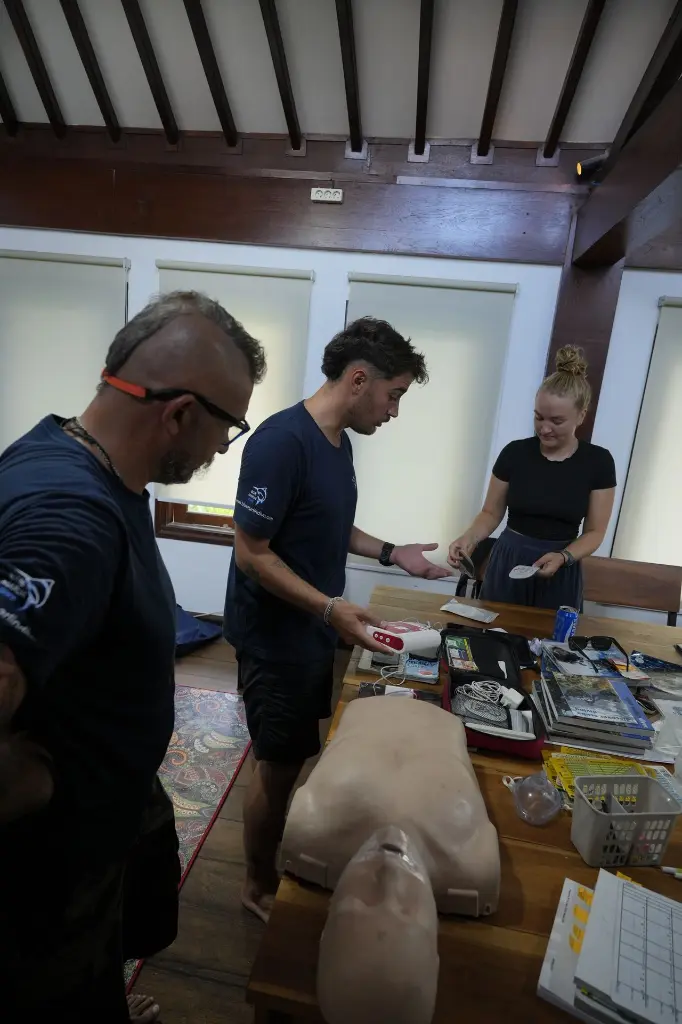
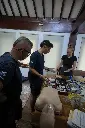
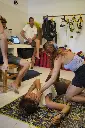
You can also pair your Rescue Course with EFR (Emergency First Response) at a discounted rate. EFR teaches practical CPR and first aid skills essential for rescue preparedness and valuable in everyday life, making it the perfect companion course.
Breakfast, lunch, and refreshments are included, making it a safe, comfortable, and unforgettable first dive experience
Duration: 3 Days
Dives: 1 Pool Session & 4 Ocean Dives
Age: 12
Course Highlights
- Learn to Prevent & Manage Emergencies: Build the skills to recognise problems early and handle real diving emergencies with confidence.
- Self-Rescue Techniques: Strengthen your ability to stay calm, assess situations quickly, and take care of yourself underwater.
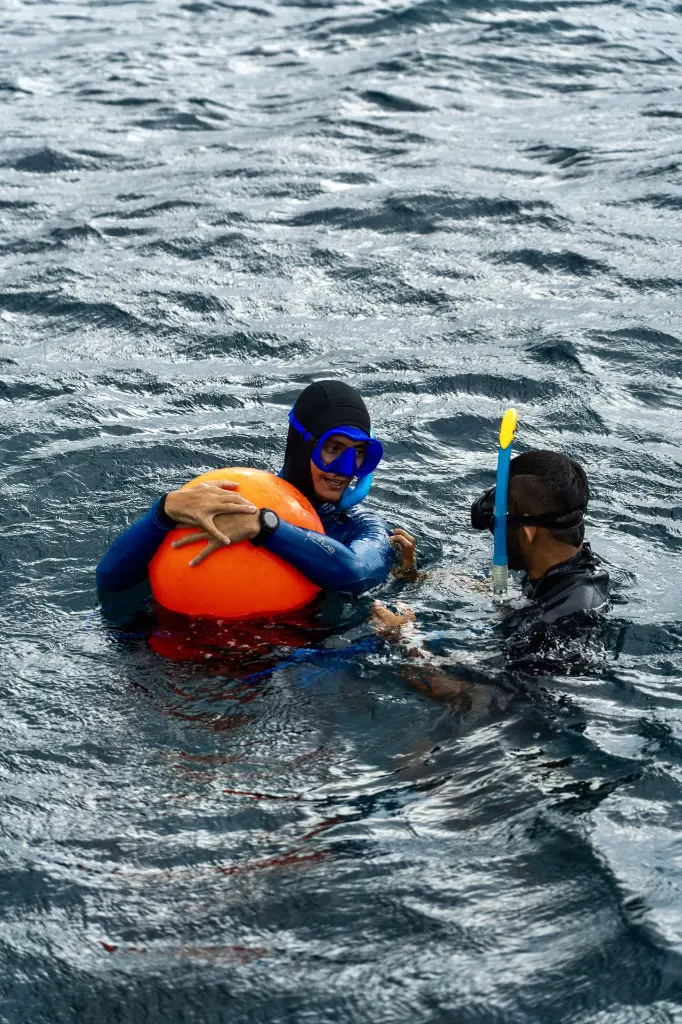
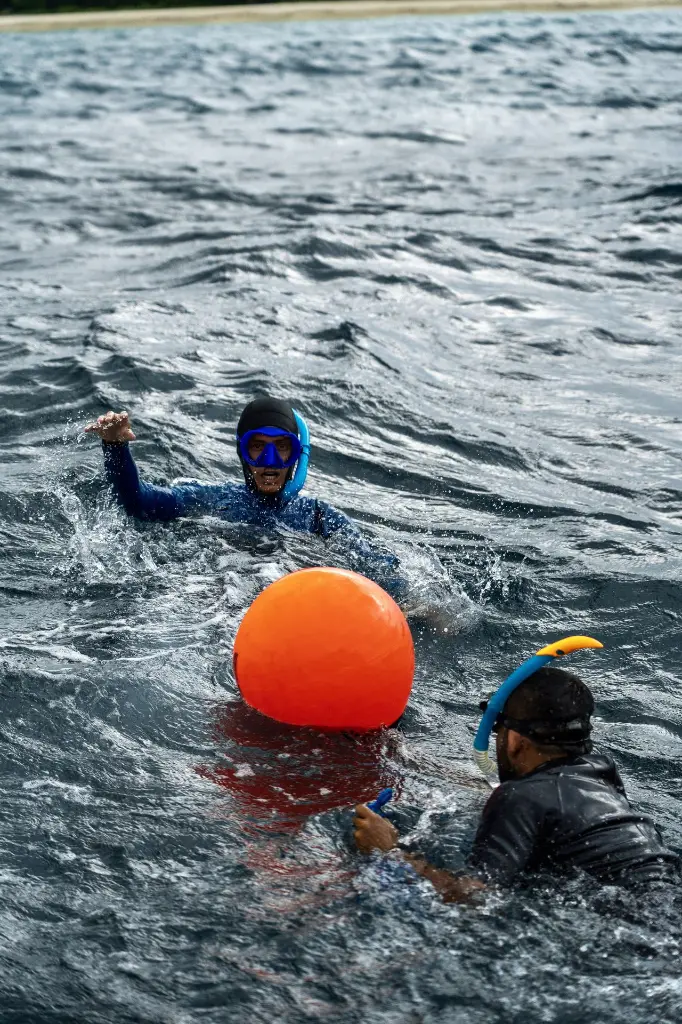
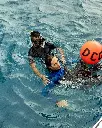
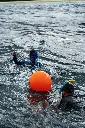
- Rescue Scenarios: Practise realistic, hands-on rescue exercises in both confined and open water.
- Stronger Awareness & Teamwork: Develop sharper situational awareness and the ability to support your dive buddies effectively.
- Confidence Boost: Feel more capable, composed, and prepared in any diving situation.
- Fun, Challenging, Rewarding: A dynamic mix of problem-solving, teamwork, and hands-on action — often described as the most memorable course in diving.
Prerequisites
- PADI Advanced Open Water Diver (or equivalent certification)
- Minimum age: 12 years
- Completed EFR Primary and Secondary Care training within the last 24 months
- Good physical health.
What You Learn
- Self-rescue skills and recognising stress early.
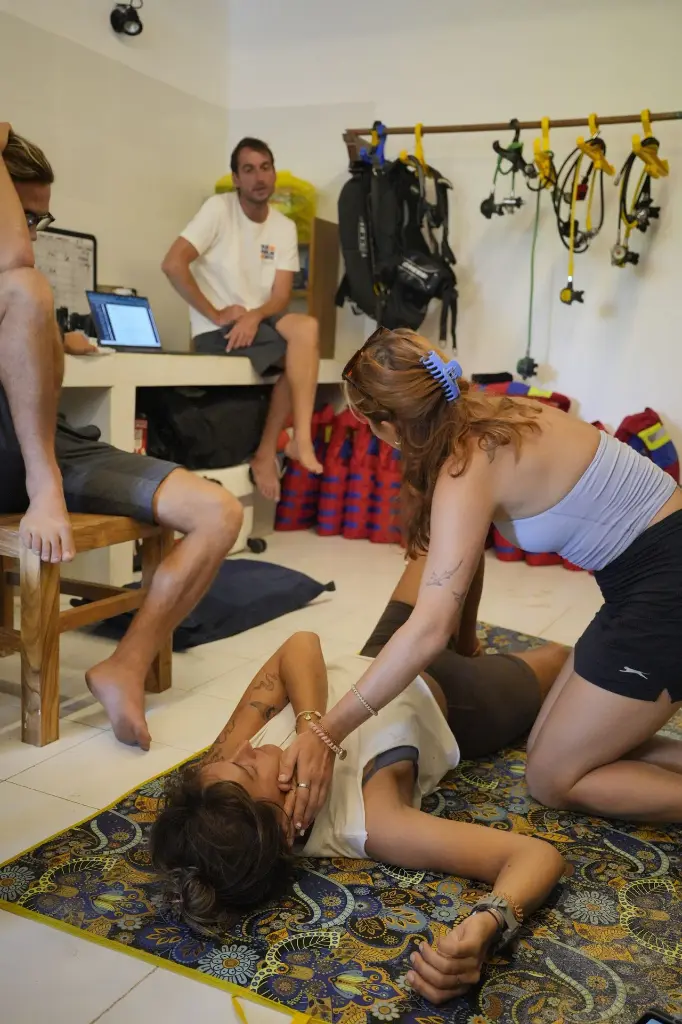
- Rescue techniques for distressed, tired, or unresponsive divers.
- First Aid & CPR for diving-related incidents.
- Handling realistic emergency scenarios and equipment issues.
- Using search patterns to locate missing divers.
- Working with emergency equipment and preparing for incidents.
- Risk assessment and preventing problems before they happen.
- Stress management in high-pressure moments.
- Teamwork & communication during rescue situations.
What Your Day Looks Like
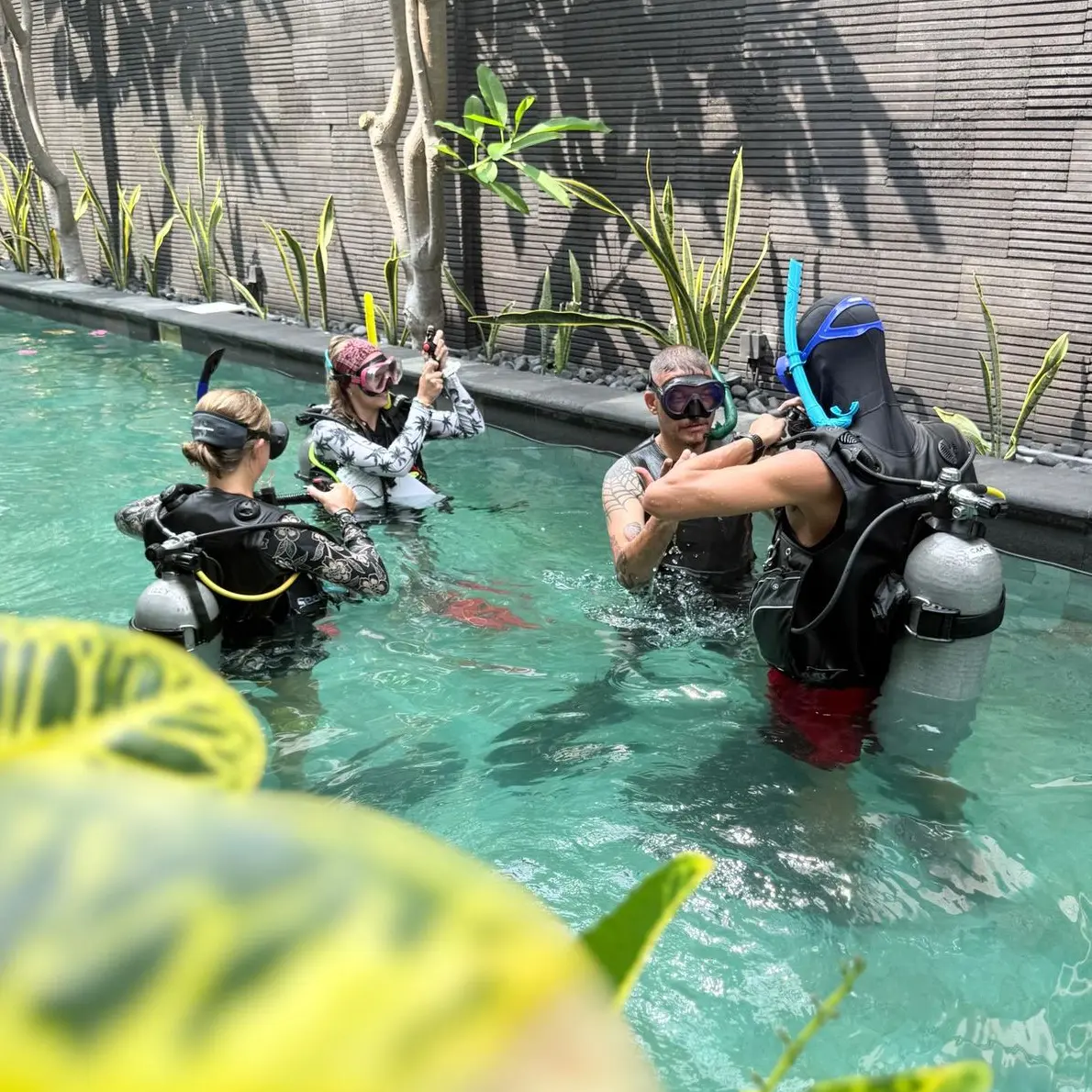
Day 1 – Pool Training & Rescue Foundations
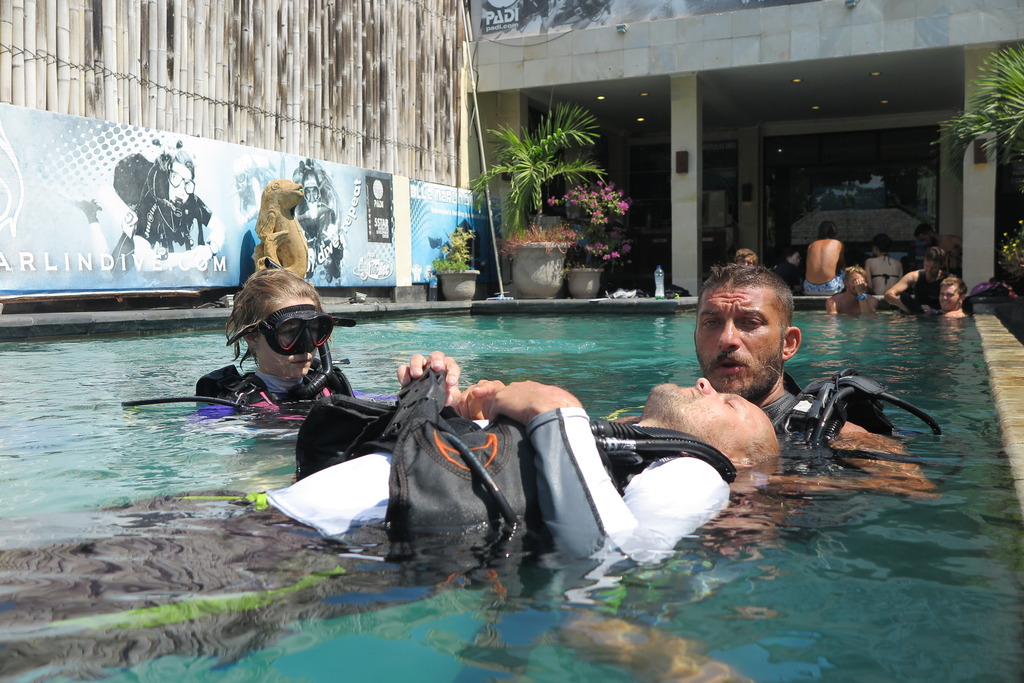
Your Rescue course begins with a briefing and a review of your eLearning, followed by hands-on skill development in our training pool.
What to expect:
- Practising self-rescue skills
- Assisting tired or panicked divers
- Approaching and managing an unresponsive diver
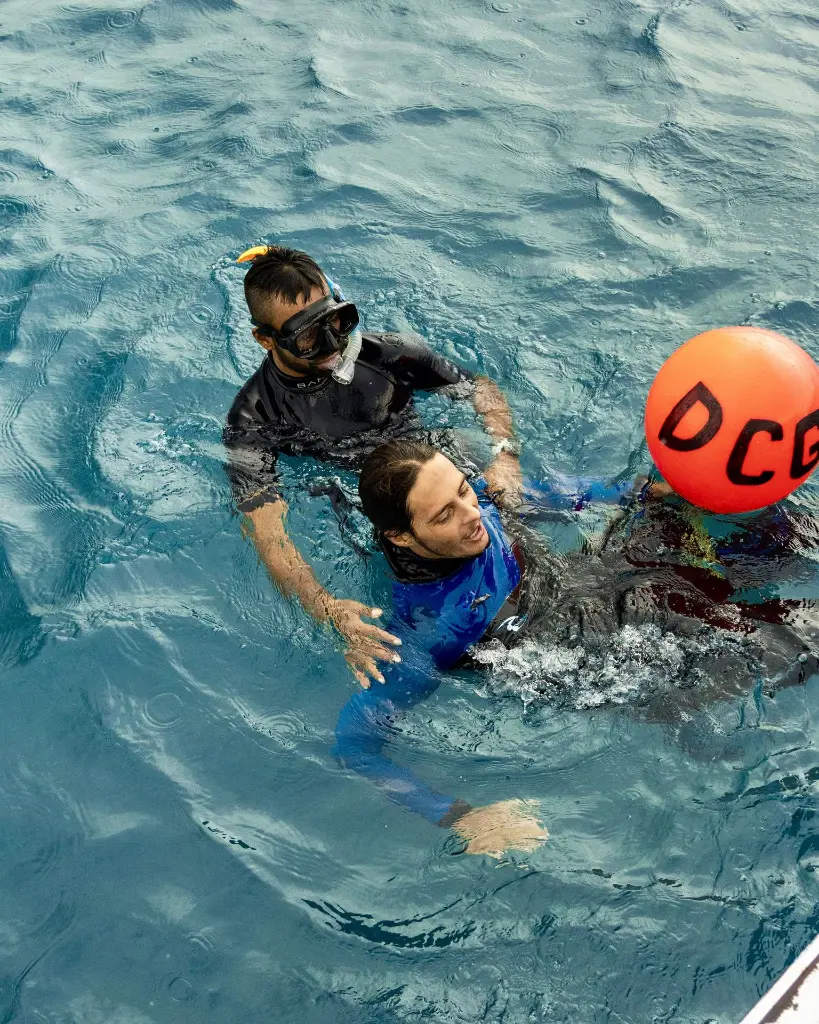
- Surface rescue exercises and safe tows
- Building confidence before moving into open water
If you haven’t completed EFR (Emergency First Response) yet, you can do it before or during your Rescue course. It covers CPR and first aid — essential knowledge for handling real emergencies.
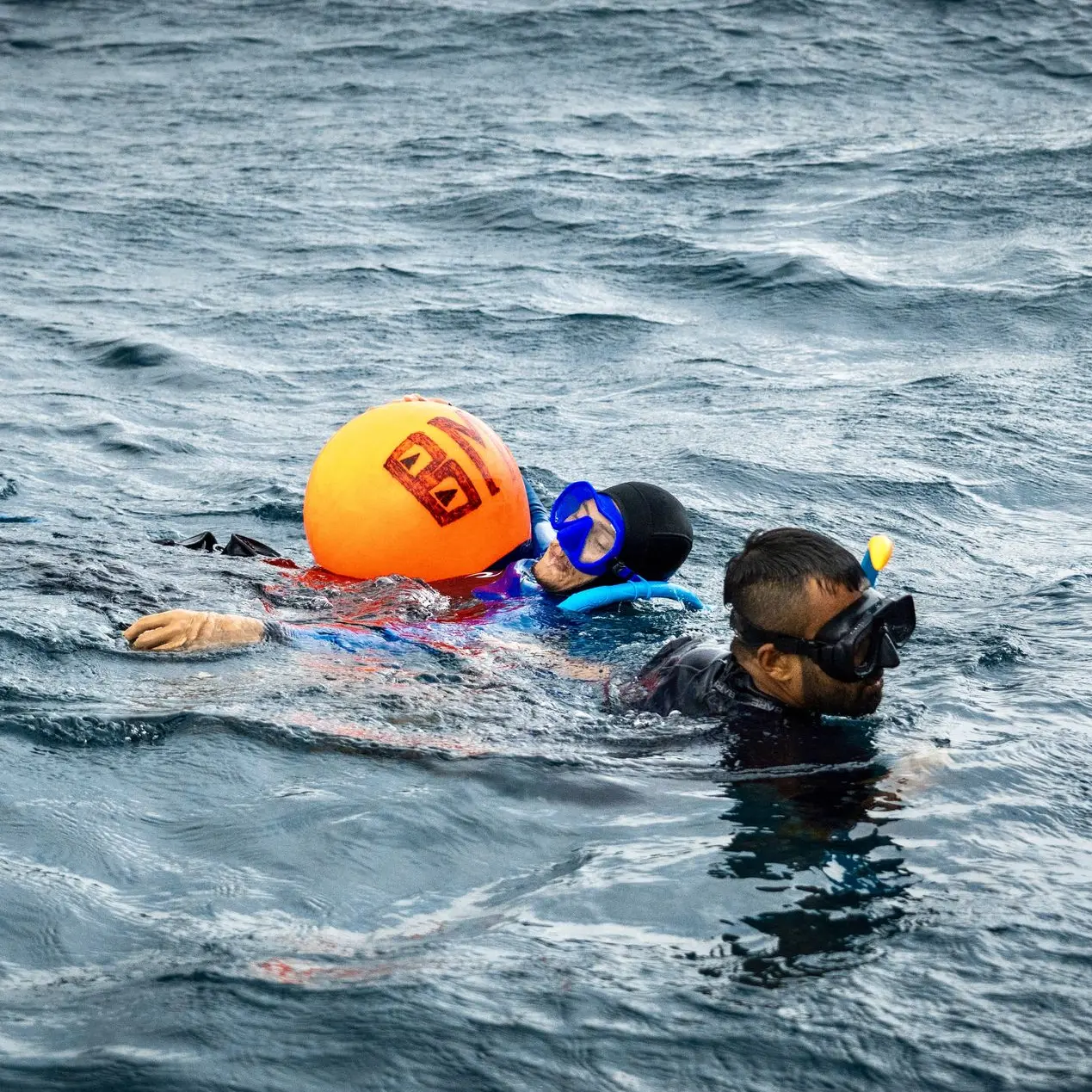
Day 2 – Open Water Scenarios & Skill Application
Now it’s time to take your rescue skills into the ocean.
What to expect:
- Applying pool skills in open water
- Identifying stress and preventing problems early
- Running through controlled rescue scenarios
- Using search patterns and emergency equipment
- Learning to manage multiple tasks under pressure
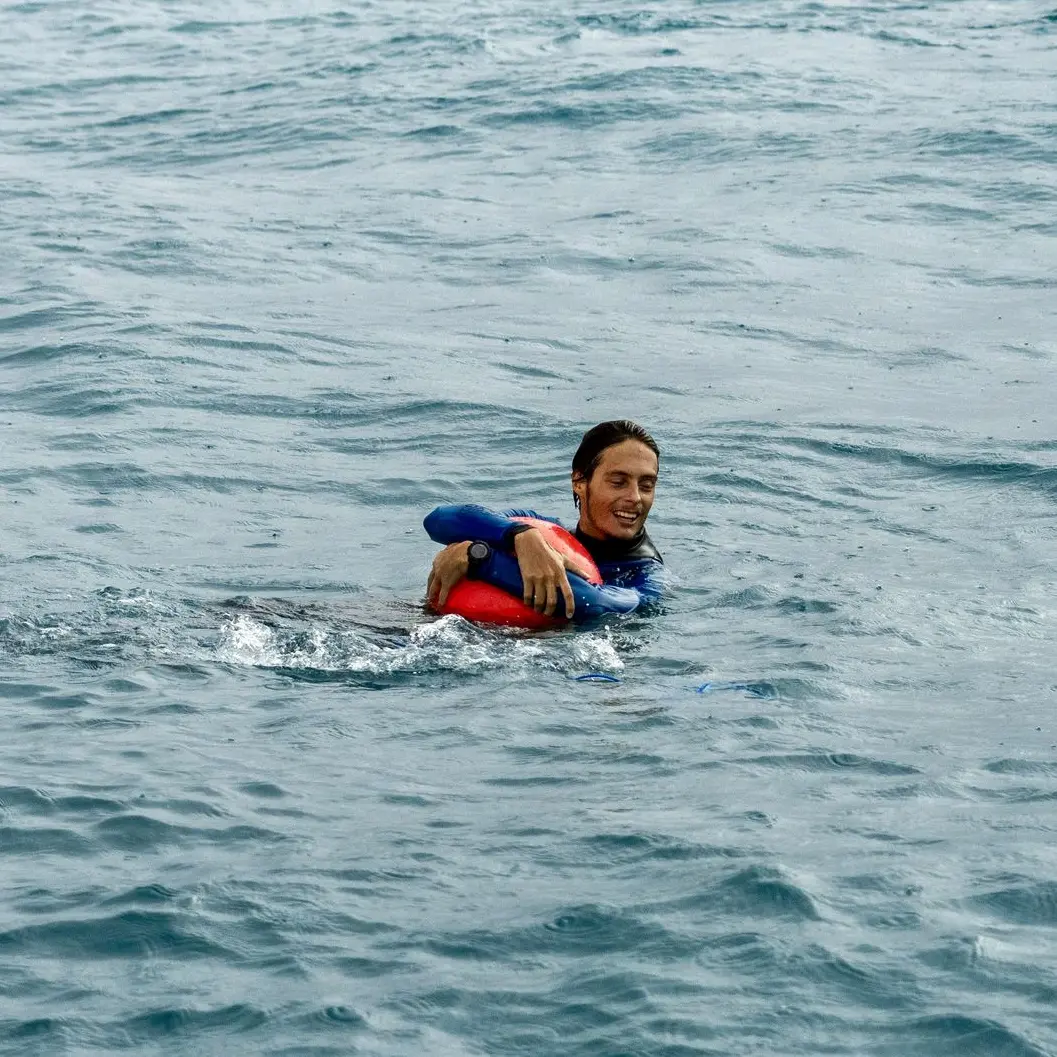
Day 3 – Full Rescue Scenarios & Certification
Your final day brings everything together in realistic, scenario-based training.
What to expect:
- Responding to simulated missing-diver situations
- Managing equipment problems and emergency responses
- Handling a full unresponsive diver scenario from start to finish
- Team-based rescue exercises and debriefs
- Completing your course and becoming a PADI Rescue Diver
Note: This is just an example of how your Rescue course may run. The structure is flexible and may vary depending on conditions, logistics, and group needs.