
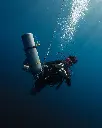
Deep Diver Specialty
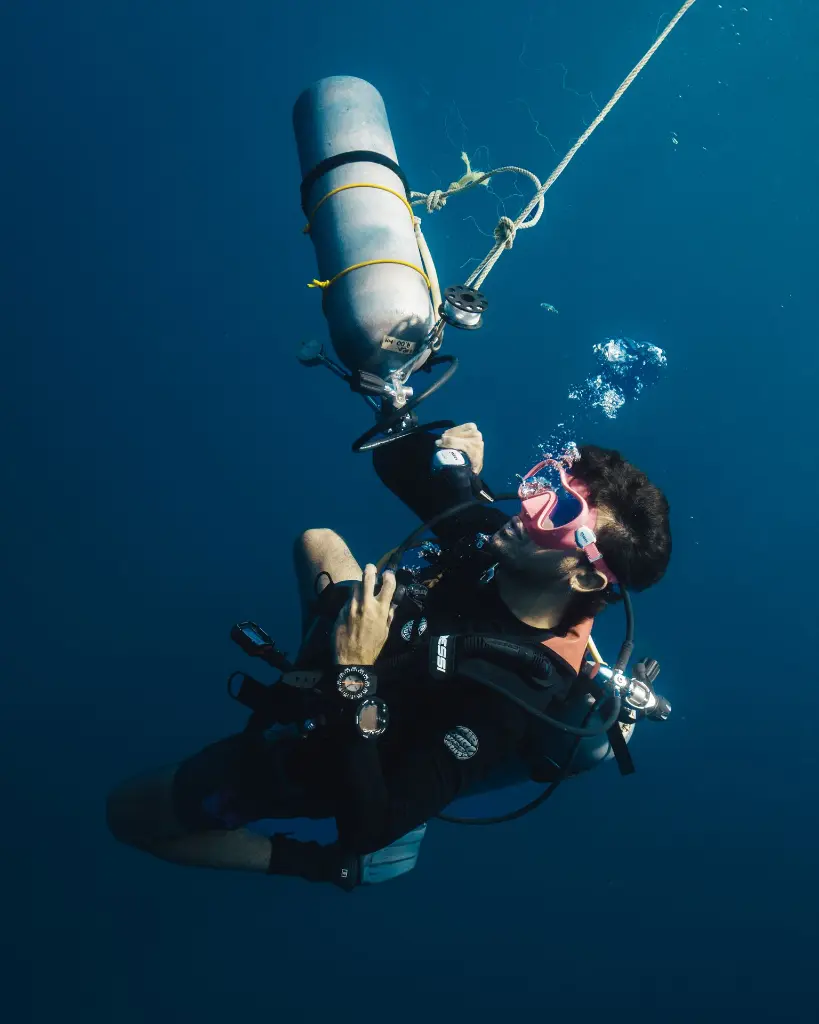
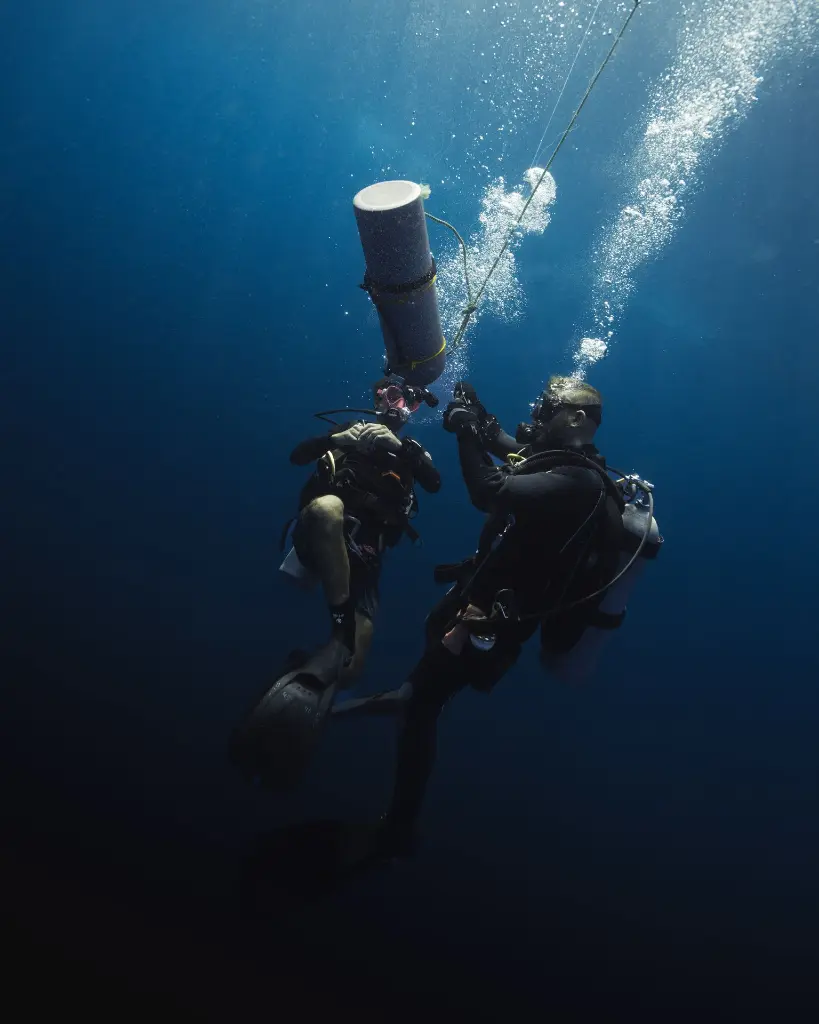
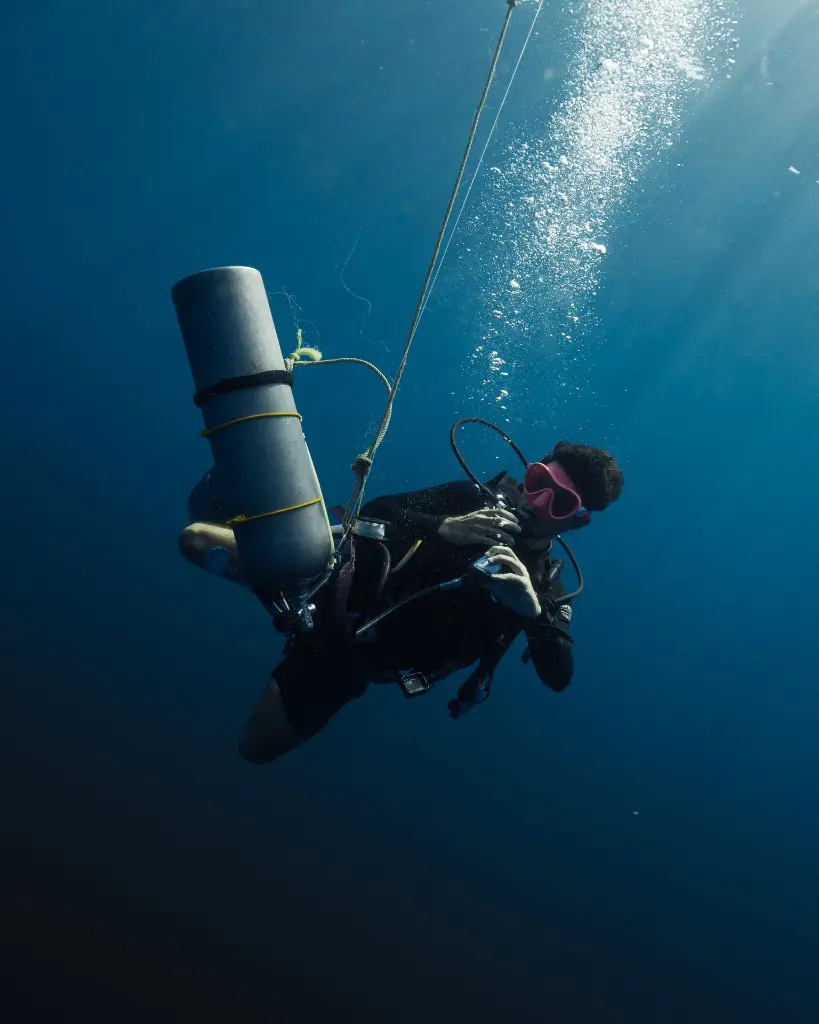
Explore deeper with the PADI Deep Diver Specialty at Blue Marlin Komodo. Learn to safely plan and dive to 40 metres while building confidence in buoyancy, gas management, and deep‑dive awareness. Perfect for advanced divers ready to experience Komodo beyond the shallows.
Breakfast, lunch, and refreshments are included, making it a safe, comfortable, and unforgettable first dive experience
Duration: 2 Days
Dives: 3-4 Ocean
Age: 15+
Not Included: Marine Park Fees
Course Highlights
- Up to 4 open water dives with experienced PADI Instructors
- Explore dive sites down to a maximum depth of 40 metres
- Learn advanced dive planning and gas management techniques
- Gain confidence and control at deeper depths
- Discover unique marine life and geological formations rarely seen by others
- Small groups for personal attention and safety
- Count towards your PADI Master Scuba Diver rating
Prerequisites
- PADI Advanced Open Water Diver (or equivalent certification)
- Minimum 15 years old
- Good health and recent diving experience (refresher recommended if inactive)
What You Learn
- How to plan and organize deep dives safely
- Effects of pressure at depth on your body and equipment
- Proper gas management and air consumption planning
- Buoyancy control techniques for deeper environments
- Use of specialized equipment and emergency procedures
- How to handle narcosis and gas density considerations
- Navigation and safety stop planning for deeper dives
Your Dynamic Snippet will be displayed here...
This message is displayed because you did not provide both a filter and a template to use.